


Water Production
The water supply network in Słupsk operates as a looped, also known as a ring, system. In this configuration, the pipelines form closed loops, enabling water to reach any given point from at least two different directions. This ensures higher reliability of water supply in the event of a network failure. The municipal water supply network is supported by local drinking water storage reservoirs located at the Legionów and Westerplatte water intakes. The water supply network is divided into two pressure zones: a low-pressure zone with a pressure line level of 60 meters above sea level (m a.s.l.) and a high-pressure zone with a pressure line level of 90 meters above sea level (m a.s.l.).
In 2018, municipal water intakes in the city of Słupsk produced 5,535,609 m³ of water.
Among the numerous facilities and assets that enable water delivery to our Customers are:
- Water intakes for the city of Słupsk
- Water treatment plant in Słupsk
- Water intakes for the municipality of Kobylnica
Water Intakes for the City of Słupsk
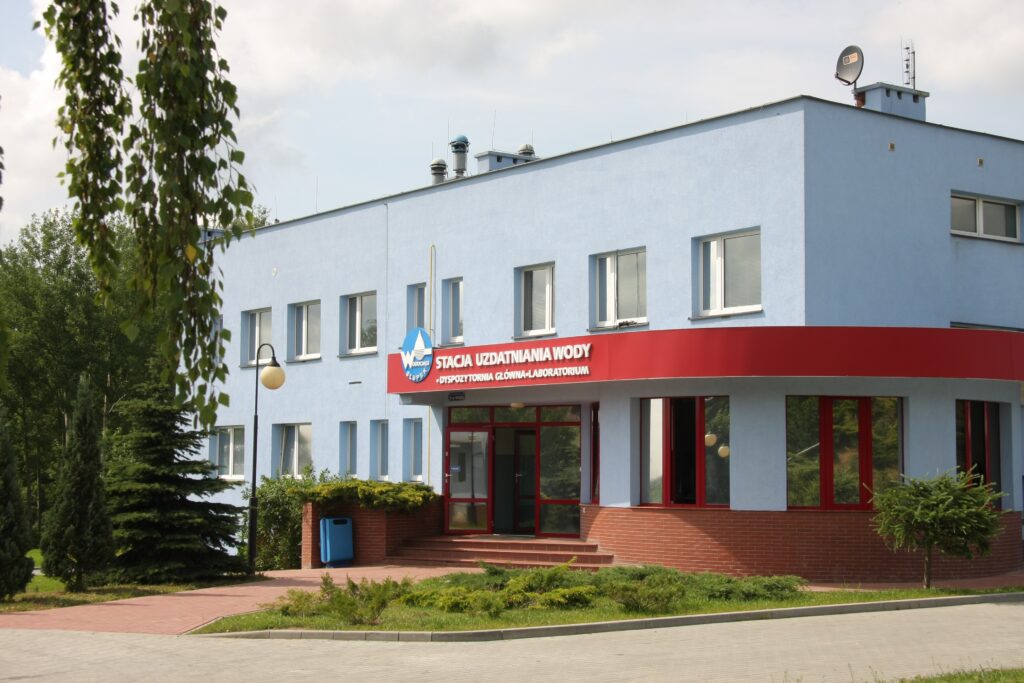
Ujęcie Westerplatte położone jest na terenie Słupska w jego wschodniej części. Wszystkie studnie ujmują wodę z czwartorzędowego piętra wodonośnego. Ujęcie Westerplatte posiada 10 studni głębinowych i jest aktualnie największym ujęciem na terenie miasta. Pozwolenie wodno-prawne określa maksymalny pobór wody z tego ujęcia w wysokości Qmax = 18720 m3/dobę.
The Głobino intake is located in the municipality of Słupsk, 5 km southeast of the city. This intake has been in operation since the 1990s. Water is abstracted from Quaternary formations. The intake currently features 10 deep wells, with a maximum daily abstraction of 11,256 m³/day.
The Legionów Polskich Street intake is located on the western edge of the city, within the moraine plateau known as the Słupsk Plain. Water is abstracted from the Quaternary aquifer. The intake features 1 deep well. The water law permit specifies the maximum water abstraction from this intake at Qmax = 2,880 m³/day.
Water Treatment Plant in Słupsk
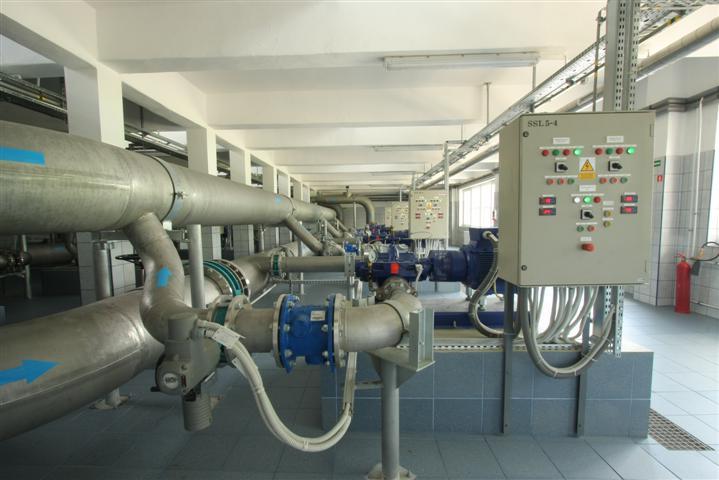
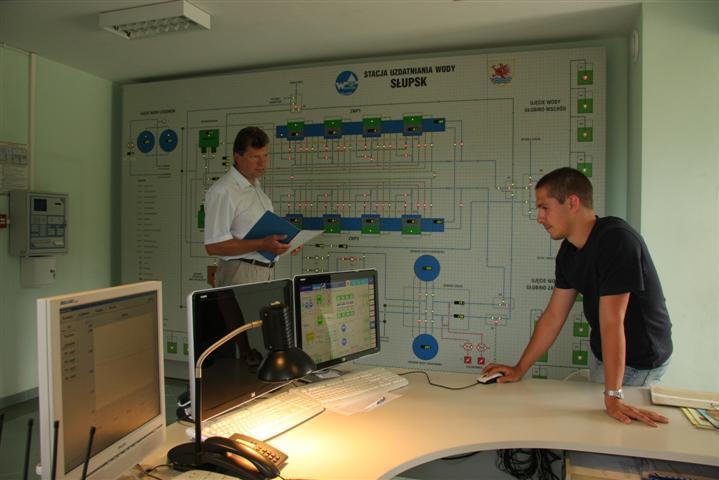
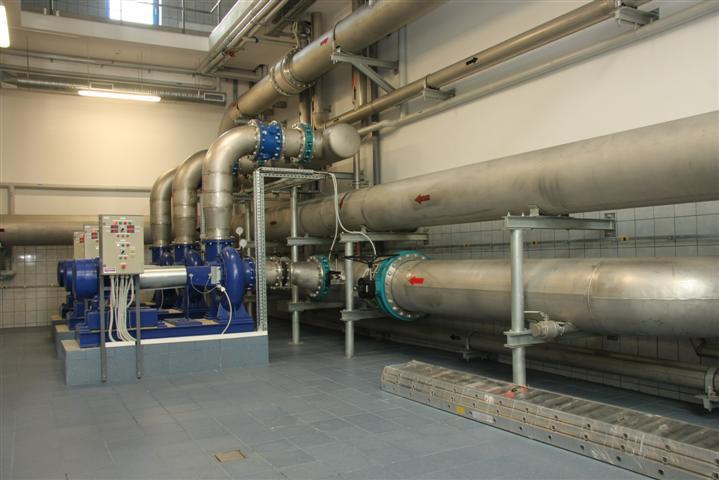
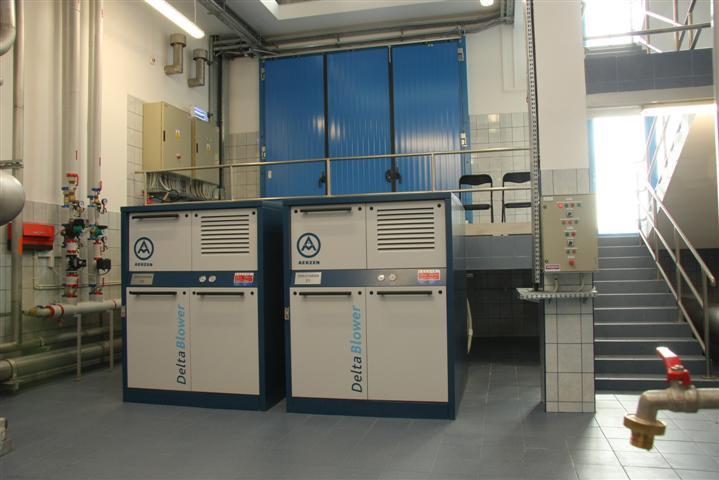
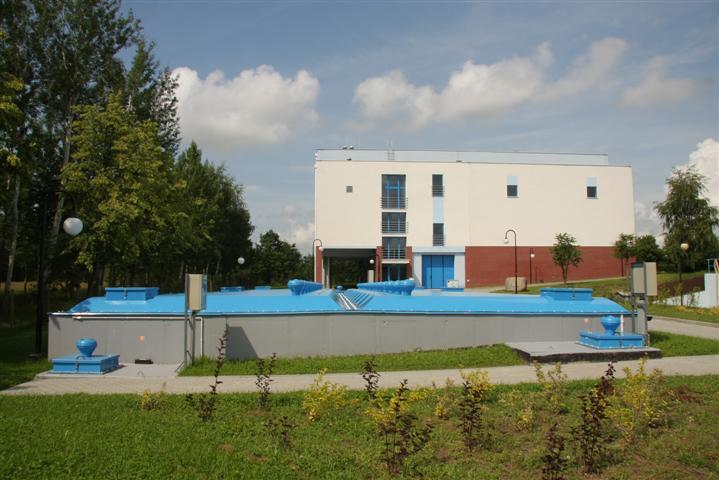
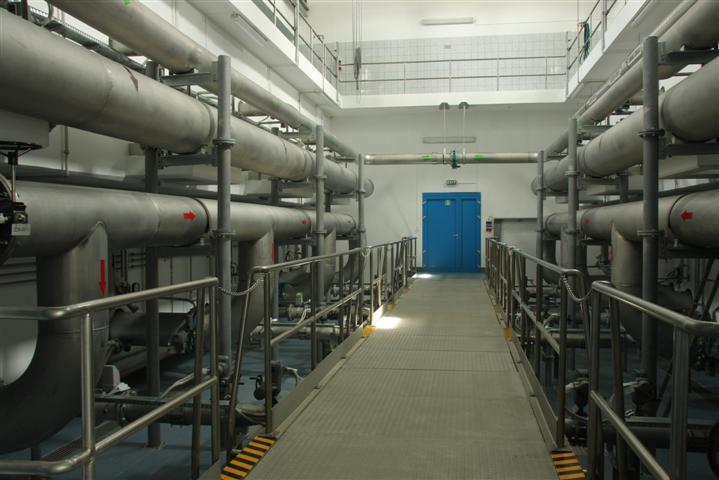
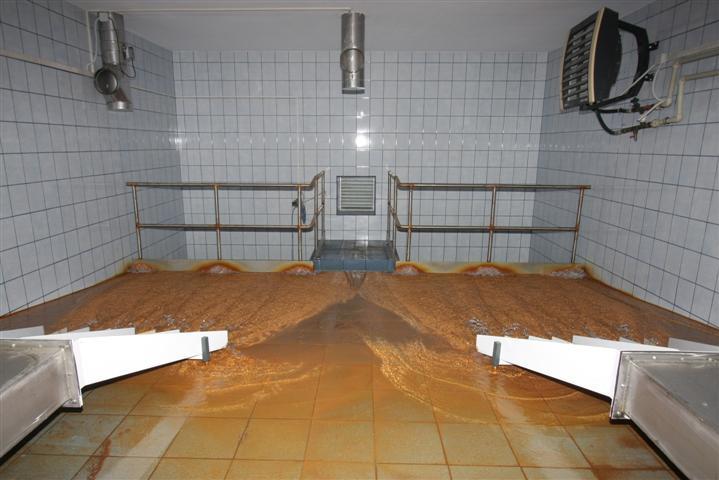
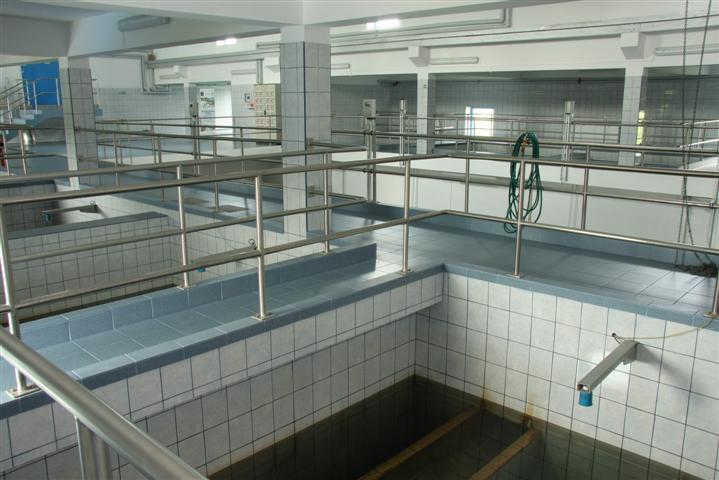
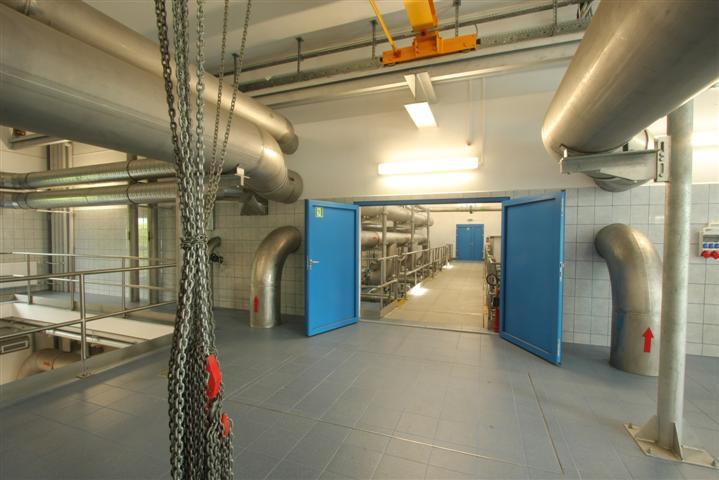
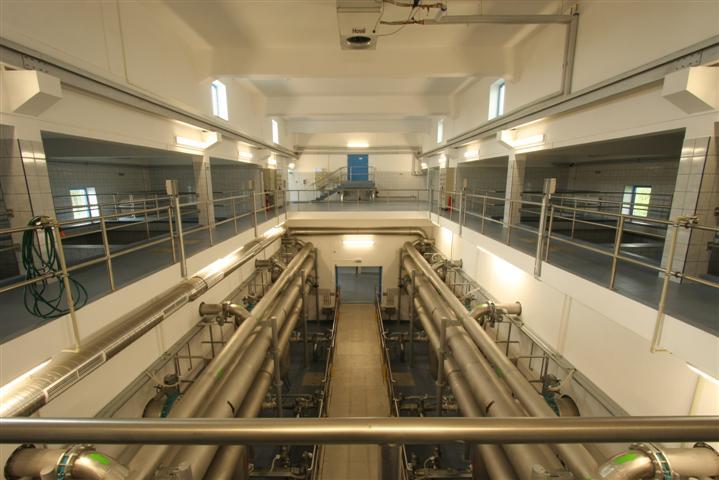
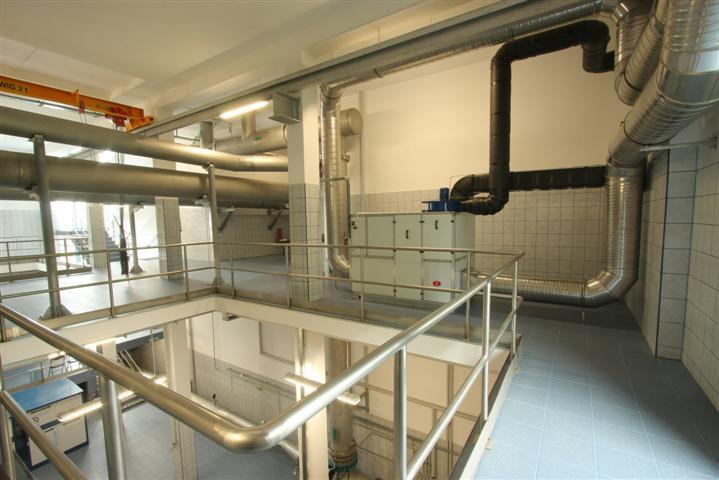
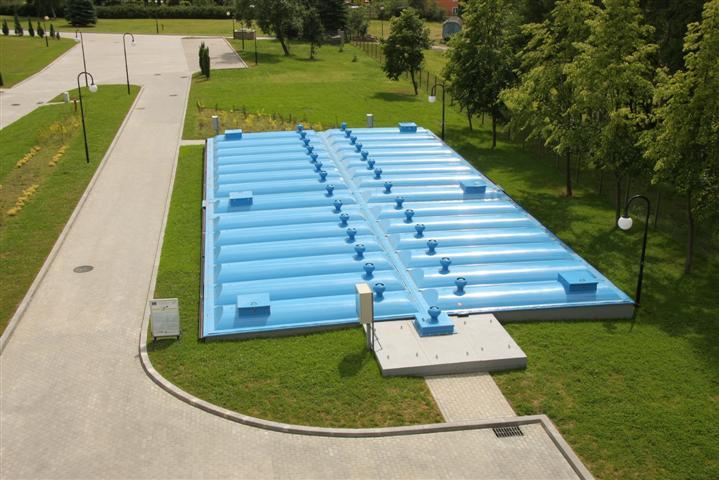
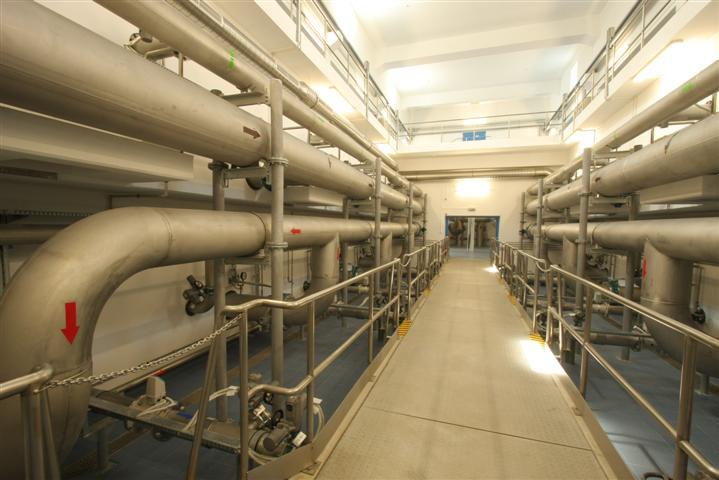
Commissioned in July 2009, the Water Treatment Plant (WTP) on Westerplatte Street treats water from two primary intakes: Głobino and Westerplatte. After passing through open rapid gravity filters, the water is pumped into the water supply network by second-stage pumps, supplying two pressure zones. The design capacity of the WTP is 20,000 m³/day. In the event of a plant failure requiring a capacity reduction or a complete shutdown, the water supply network can be fed directly from the water intakes.
At the treatment plant, iron and manganese concentrations in the water are reduced through aeration and filtration processes, which also improves water turbidity and color.
Water Intakes for the Municipality of Kobylnica
There are currently 20 groundwater intakes in operation within the territory of the municipality of Kobylnica, powered by 26 deep wells. At 16 of these intakes, the water undergoes treatment processes, while at 4 intakes—owing to the high natural quality of the water—only water booster stations are operated.
In 2018, the total water production from all 20 intakes in the municipality of Kobylnica amounted to 384,479 m³.